
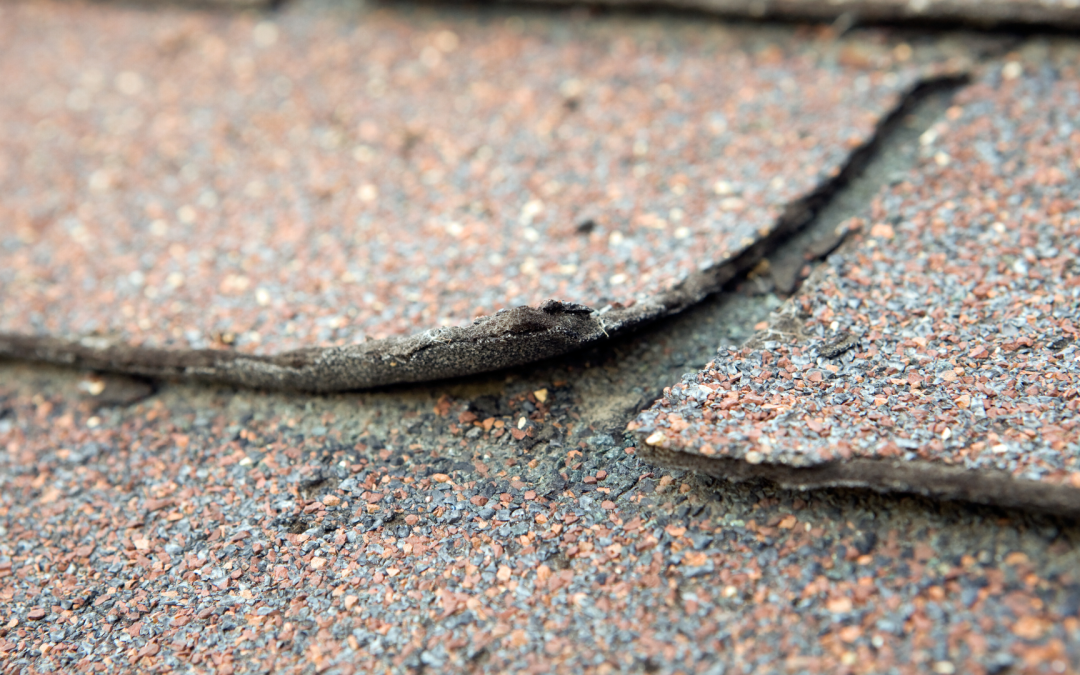
Roof Shingle Curling is one of the earliest visible signs that a roofing system is being damaged by rising temperatures in Thomaston, Georgia. When Roof Shingle Curling begins, it often indicates that the protective oils within asphalt shingles are drying out due to prolonged heat exposure. In Thomaston, Georgia, where summer temperatures regularly climb and roofs are exposed to constant sunlight, Roof Shingle Curling can develop gradually and go unnoticed until more serious cracking and material loss begins to appear across the roof surface.
In Thomaston, Georgia, rising temperatures place continuous stress on roofing materials throughout the summer months. Asphalt shingles are designed with flexibility that allows them to expand and contract as temperatures change. However, repeated exposure to high heat causes these materials to lose flexibility over time. This is one of the main reasons Roof Shingle Curling becomes more common as roofs age. Once curling begins, the edges of shingles lift away from the roof surface, making them more vulnerable to wind uplift and water intrusion.
Another factor that contributes to Roof Shingle Curling in Thomaston, Georgia is ultraviolet exposure. Constant sunlight breaks down the outer protective layer of shingles, causing granule loss and weakening the material structure. As this protective layer diminishes, shingles become more rigid and begin to curl at the edges. This process also increases the likelihood of cracking, which exposes the underlying roofing system to further heat and moisture damage.
Roof ventilation also plays a role in Roof Shingle Curling. In Thomaston, Georgia, homes with poor attic airflow often experience higher roof deck temperatures. When heat becomes trapped beneath the roof surface, it accelerates the drying process of shingles from both the top and bottom layers. This dual exposure intensifies Roof Shingle Curling and leads to faster deterioration compared to properly ventilated roofing systems.
Once Roof Shingle Curling has begun, it often progresses into cracking. In Thomaston, Georgia, this combination of curling and cracking allows water to penetrate beneath the shingles during heavy rain. Over time, moisture can reach the underlayment and decking, leading to structural damage and interior leaks. Addressing Roof Shingle Curling early is important to prevent these secondary issues from developing.
Regular roof inspections are an effective way to identify Roof Shingle Curling before it becomes widespread. In Thomaston, Georgia, roofing professionals often check for lifted edges, brittle shingles, and uneven surface patterns that indicate heat related damage. Early detection allows homeowners to take corrective action before the condition spreads across larger sections of the roof.
Preventative maintenance can also help slow the progression of Roof Shingle Curling. In Thomaston, Georgia, maintaining proper ventilation, replacing damaged shingles promptly, and ensuring the roof is free from debris all contribute to extending roof lifespan. These steps reduce heat retention and limit the conditions that lead to curling and cracking.
When Roof Shingle Curling is left unaddressed, full roof replacement may eventually be required. In Thomaston, Georgia, prolonged exposure to rising temperatures can weaken the entire roofing system, making repairs less effective over time. Recognizing early warning signs is the best way to avoid more costly damage in the future.
If you are noticing Roof Shingle Curling or other signs of heat related roof damage in Thomaston, Georgia, contact SIPM Roofing, LLC. Our professional team provides detailed inspections, repair services, and full roofing solutions designed to protect your home from temperature related deterioration and extend the life of your roof.
Disclaimer
The information provided in this blog by SIPM Roofing, LLC is intended for general informational and educational purposes only and should not be considered professional roofing, construction, insurance, or legal advice. Every roofing system and property condition is different, and the content in this blog may not apply to your specific situation. Readers should not rely solely on this information when making decisions regarding roof repairs, replacements, inspections, or maintenance. A qualified roofing professional should be consulted to properly evaluate your property and provide recommendations based on your individual needs.