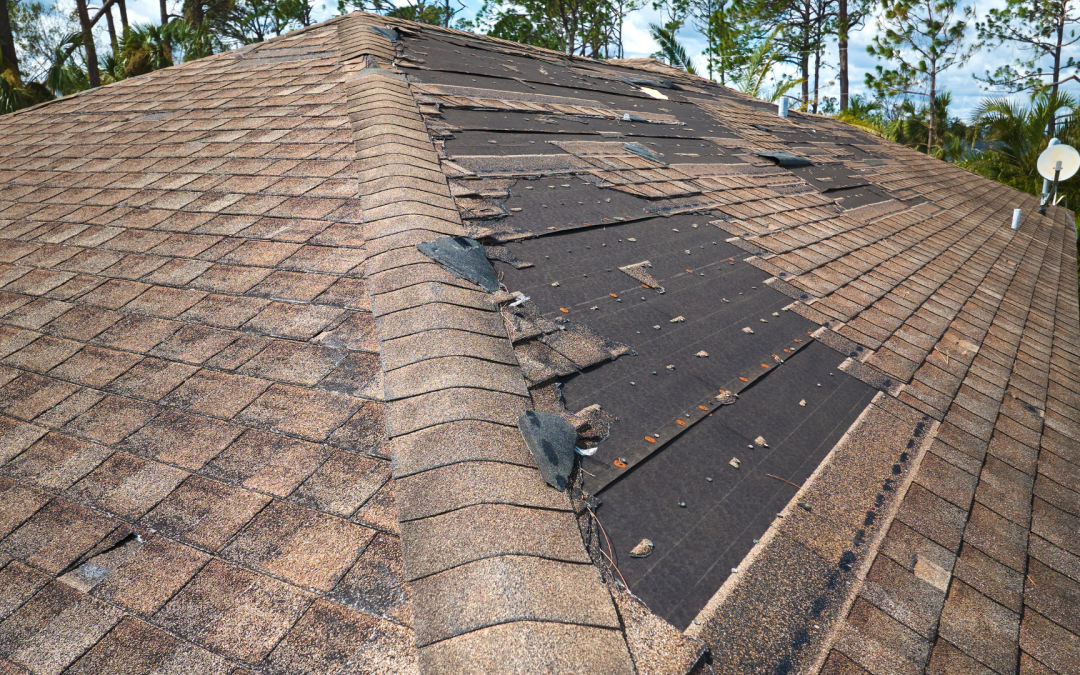
Georgia heat and roof damage is one of the most overlooked causes of premature roof failure for homeowners and business owners in Barnesville, Georgia. In many cases, roofs are not damaged by a single storm event but instead weakened over time by constant exposure to high temperatures, ultraviolet rays, and thermal expansion. Understanding how Georgia heat and roof damage develops helps property owners in Barnesville, Georgia make better decisions about maintenance, repair, and replacement before costly issues appear inside the structure.
How Georgia Heat and Roof Damage Begins
In Barnesville, Georgia, summer temperatures regularly climb high enough to place continuous stress on roofing materials. Asphalt shingles absorb heat throughout the day and can reach temperatures far above the outdoor air. Over time, this repeated heat exposure is a major contributor to Georgia heat and roof damage.
As shingles heat up, they expand. When temperatures drop at night, they contract. This daily cycle creates movement within the roofing system that slowly weakens adhesive bonds and structural integrity. The result is cracking, curling, and loss of protective granules that are designed to shield the roof from further exposure.
Material Breakdown Caused by Heat Exposure
One of the clearest effects of Georgia heat and roof damage in Barnesville, Georgia is the breakdown of roofing materials themselves. Asphalt shingles lose flexibility as oils within the material dry out. Once this happens, shingles become brittle and more likely to crack under pressure from wind or foot traffic during inspections.
Metal roofing systems are also affected. Expansion and contraction can loosen fasteners over time, creating small openings where moisture can enter. Even flat commercial roofing systems are not immune, as prolonged heat exposure can weaken membranes and reduce overall lifespan.
Georgia heat and roof damage does not always show immediate signs, which is why routine inspection is important for property owners in Barnesville, Georgia.
UV Radiation and Surface Degradation
Sun exposure plays a major role in Georgia heat and roof damage. Ultraviolet rays break down the outer protective layer of shingles, which causes granule loss. These granules are what help reflect sunlight and protect the underlying structure.
Once granules are lost, shingles begin to absorb even more heat. This creates a cycle of accelerated deterioration. In Barnesville, Georgia, roofs that face direct sun exposure for most of the day often show earlier signs of wear compared to shaded sections of the same roof.
Over time, UV exposure combined with heat leads to fading, thinning, and reduced weather resistance. This is a major contributor to Georgia heat and roof damage across residential neighborhoods and commercial properties.
Attic Heat and Ventilation Problems
Another factor in Georgia heat and roof damage is trapped heat inside the attic. When ventilation is not balanced, hot air becomes trapped and raises the temperature of the roof from underneath. This internal heat source works alongside external sun exposure, doubling the stress on roofing materials.
In Barnesville, Georgia, homes with poor ventilation often experience warped decking, increased shingle deterioration, and higher energy costs. Proper airflow helps regulate temperature and reduces long term strain on the roofing system.
How Homeowners in Barnesville, Georgia Can Reduce Heat Damage
Preventing Georgia heat and roof damage requires consistent maintenance and attention to early warning signs. Property owners should look for curling shingles, bald spots where granules are missing, and areas that appear uneven or worn.
Routine roof inspections help identify early signs of heat related deterioration before they turn into leaks or structural issues. In Barnesville, Georgia, scheduling inspections before and after peak summer months is one of the most effective ways to extend roof life.
Reflective roofing materials and improved ventilation systems can also reduce heat buildup and slow down the progression of Georgia heat and roof damage.
Commercial Roofing Considerations
Commercial properties in Barnesville, Georgia face similar challenges but often on a larger scale. Flat and low slope roofs tend to absorb more direct sunlight, which increases surface temperature significantly. Without proper coatings or maintenance, Georgia heat and roof damage can lead to membrane separation, blistering, and premature system failure.
Regular maintenance programs help identify weak points early and extend the life of commercial roofing systems exposed to constant heat.
Georgia heat and roof damage is a slow process that often goes unnoticed until repairs become more costly. In Barnesville, Georgia, property owners who stay ahead of seasonal heat exposure and schedule routine inspections are more likely to avoid unexpected roofing failures.
If you are noticing signs of wear or want to protect your property from long term heat exposure, professional evaluation is recommended.
For expert roof inspection, repair, replacement, and maintenance services in Barnesville, Georgia, contact SIPM Roofing, LLC. Our team provides professional roofing solutions designed to address Georgia heat and roof damage before it leads to costly structural issues.
Disclaimer
The information provided in this blog by SIPM Roofing, LLC is intended for general informational and educational purposes only and should not be considered professional roofing, construction, insurance, or legal advice. Every roofing system and property condition is different, and the content in this blog may not apply to your specific situation. Readers should not rely solely on this information when making decisions regarding roof repairs, replacements, inspections, or maintenance. A qualified roofing professional should be consulted to properly evaluate your property and provide recommendations based on your individual needs.